
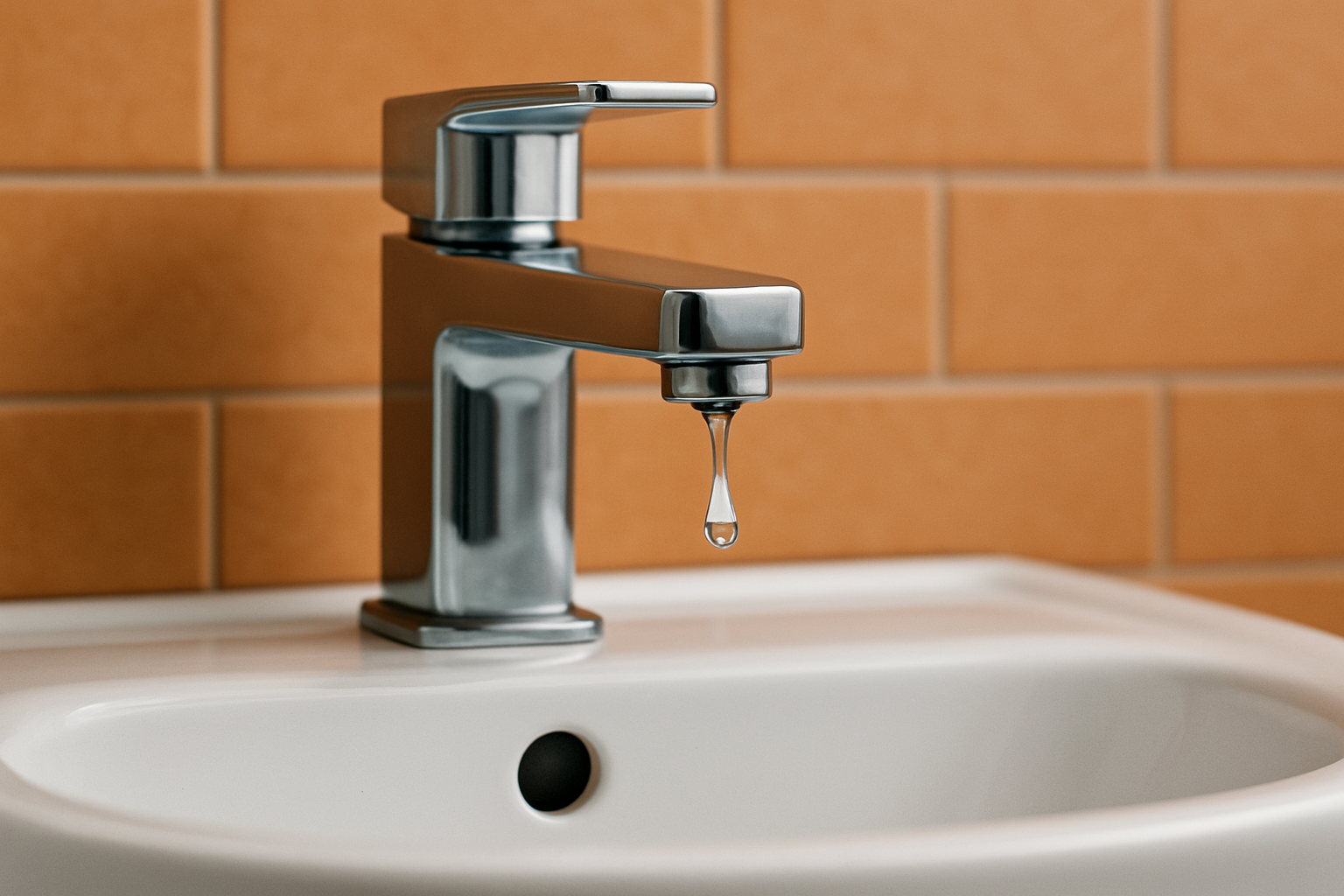
A dripping tap might seem like a minor inconvenience, but over time it can waste litres of water, increase your utility bills, and even cause damage to your sink or worktop. Fortunately, learning how to fix a dripping tap is simpler than many people realise—and in most cases, you won’t need to call out a plumber.
In this guide, we’ll walk you through how to stop a leaking tap, based on advice from professional plumbing engineers like those at Plumbing Doctors. Whether you're dealing with a traditional compression tap or a more modern mixer tap, the steps are straightforward and achievable with a few basic tools.
Why Fixing a Dripping Tap Matters
A single dripping tap can waste over 5,000 litres of water per year. That’s not just bad for the environment—it’s bad for your wallet too. In the UK, where water meters are becoming more common, a leaking tap can cost you tens of pounds annually.
More importantly, the cause of the drip could worsen over time. Left unattended, that small leak might turn into a steady trickle or lead to further corrosion in your plumbing system.
Common Causes of a Dripping Tap
Before we dive into the fix, it’s useful to understand why taps leak. The most common causes include:
- Worn out washers (especially in compression taps)
- Damaged or faulty cartridges (in mixer taps)
- Worn O-rings
- Loose or corroded valve seating
- Limescale build-up, especially in hard water areas
Thankfully, in most DIY cases, the culprit is a worn washer or cartridge—and that’s what we’ll focus on here.
Tools and Parts You’ll Need
Before getting started, gather the following tools and materials:
- Adjustable spanner
- Flat-head and Phillips screwdrivers
- Allen key (for some mixer taps)
- Replacement washer or ceramic cartridge
- Plumber’s grease or silicone lubricant
- Cloth or towel (to prevent scratching and catch water drips)
- Tap reseating tool (optional, for badly worn valve seats)
Step-by-Step: How to Fix a Dripping Tap
1. Turn Off the Water Supply
Locate the isolation valve under your sink and turn it clockwise to shut off the water. If you can't find one, turn off your home’s main stopcock. Once the water is off, open the tap fully to let any remaining water drain out.
2. Plug the Sink
This is a safety tip you don’t want to skip. Place a plug in the sink or lay down a cloth to prevent small parts—like screws or washers—from disappearing down the plughole.
3. Remove the Tap Handle
Depending on the type of tap you have, you may need to:
- Pry off a decorative cap to reveal the screw underneath
- Use an Allen key to loosen a grub screw (common on modern mixer taps)
Once the screw is removed, gently lift off the tap handle.
4. Unscrew the Tap Mechanism
Using an adjustable spanner, grip the metal valve assembly (known as the tap headgear or cartridge) and turn it anticlockwise to remove it. Be sure to hold the tap body firmly to avoid stressing the pipework.
5. Inspect and Replace the Washer or Cartridge
Check the washer (for compression taps) or ceramic cartridge (for mixer taps). If the washer is worn, cracked or misshapen, it will need replacing. The same applies to a faulty cartridge.
Take the old washer or cartridge to a DIY store or plumbing merchant to ensure you purchase the correct size and type.
6. Clean the Tap Seating (Optional)
If the metal valve seat inside the tap body looks corroded or pitted, use a tap reseating tool to grind it smooth. This will help form a watertight seal with the new washer.
7. Apply Grease and Reassemble
Apply a small amount of plumber’s grease or silicone lubricant to the new washer or cartridge. This improves the seal and makes reassembly easier.
Reinsert the valve or cartridge and tighten it firmly with your spanner—be careful not to overtighten. Replace the tap handle and screw it back into place.
8. Restore Water and Test
Turn the water supply back on slowly and test the tap. If the dripping has stopped—well done! You’ve just learned how to fix a dripping tap and saved yourself both time and money.
If the leak continues, double-check the seal or consider replacing the O-rings or entire tap mechanism.
When to Call a Professional Plumber
If you’ve followed the steps above and the drip persists, the issue may be more serious—such as:
- A damaged valve seat
- A corroded tap body
- A problem within the pipework or water pressure system
In these cases, it’s best to contact a professional. The team at Plumbing Doctors, for example, are trusted UK plumbing experts with years of experience in diagnosing and repairing stubborn tap leaks.
Preventing Future Tap Drips
Here are a few tips to reduce the likelihood of future tap issues:
- Turn taps off gently: Avoid overtightening, which wears out washers and damages cartridges.
- Check taps regularly: Early signs of leaking can often be fixed before they worsen.
- Install tap filters: If you're in a hard water area, consider fitting tap filters or using a water softener to reduce limescale buildup.
- Opt for quality fittings: Investing in a well-made tap with quality internal components can save you from repeated repairs.
Final Thoughts: Don’t Ignore the Drip
Learning how to fix a dripping tap is a small but empowering step towards maintaining your home efficiently. It takes under an hour, requires basic tools, and can save both water and money in the long run.
Whether you’re a DIY beginner or a seasoned homeowner, this straightforward fix is well worth your time. And if you’d rather leave it to the professionals, companies like Plumbing Doctors are just a call away for reliable, fuss-free help.
Need Help? Contact Plumbing Doctors
If your tap is still leaking or you’re not confident tackling the job yourself, get in touch with Plumbing Doctors—your trusted Coventry based plumbing experts.


