

In this blog, we demonstrate a simple way to identify low water pressure caused by a blocked isolation valve, particularly under a kitchen sink.
Why Is My Water Pressure Low? A Common Fault You Can Check Yourself
If your kitchen tap is only giving you a slow trickle — or if your shower isn’t quite as powerful as it used to be — you might be dealing with low water pressure. And while there are several potential causes, one of the most overlooked is also one of the easiest to fix.
What Counts as “Low Water Pressure”?
You may have a low pressure issue if you’ve noticed:
- Kitchen or bathroom taps taking longer to fill the sink
- The shower delivering a weak stream
- The boiler struggling to kick in on demand
- Appliances like washing machines taking longer to fill
If it’s just one tap or one room, the problem may not be your whole system — but rather a local restriction, such as the isolation valve.
What Is an Isolation Valve?
An isolation valve is a small manual shut-off valve fitted to your plumbing — usually found under sinks, basins, or behind appliances. It allows you to turn off the water to a single tap or appliance without shutting off the entire property.
These valves are incredibly useful — but they can also become partially blocked with scale or debris, or left only halfway open after plumbing work.
How You Can Check It Yourself
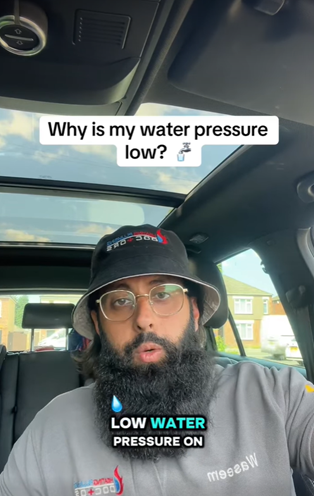
- Locate the isolation valve under the affected sink or tap
- Turn the valve fully off, then fully open (a quarter turn in most cases)
- Check if the water flow improves
- If it’s stiff or doesn’t turn — leave it to a professional
If the pressure improves after adjusting the valve, it was likely partially closed or blocked. If not, the issue may be elsewhere (such as internal pipework, an old tap cartridge, or water main pressure).
Still Got Low Pressure?
Don’t guess — Heating & Plumbing Doctors can identify the cause of your pressure issues quickly, whether it’s:
- Isolation valves
- Clogged pipework
- Faulty taps or cartridges
- Booster pump problems
Book a visit today and enjoy proper water pressure again — without the stress.


